Idaho has no statewide PI licensing requirement. To operate legally, you need a standard business license and, depending on your municipality, possibly a local PI permit. The Private Investigators Association of Idaho (PIAI) offers a Certified Private Investigator (CPI) designation that functions as the state’s de facto professional credential, the benchmark working PIs use to demonstrate competence to clients, law firms, and corporate accounts.
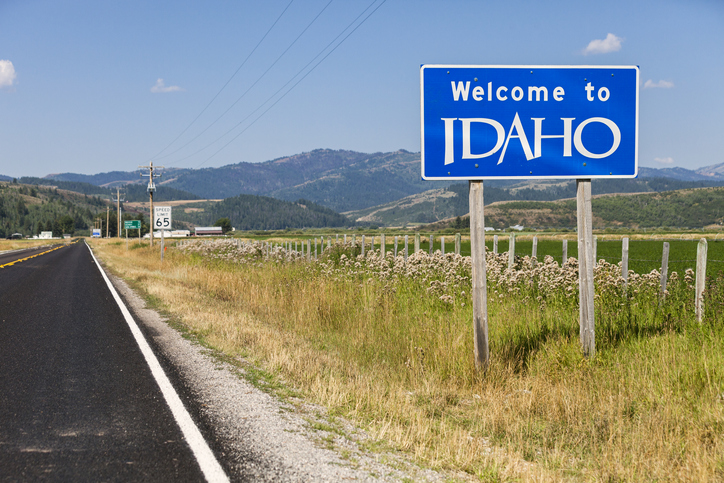
Idaho doesn’t require a state license to practice as a private investigator. There’s no exam, no application fee, no state-issued credential to carry. What you’ll find instead is a profession that runs on reputation, practical experience, and voluntary credentials that signal professional-grade preparation. The PIs who build successful practices here are the ones who treat those standards seriously. Here’s how the path looks from start to working investigator.


 | Make the Necessary Educational and Training Preparations in Idaho |
 | Obtain a Business License and Meet Other Requirements in Idaho |
 | Build Your Career and Earn the CPI Credential in Idaho |
Because the state doesn’t issue PI licenses, clients and employers in Idaho rely on other signals: professional background, a track record of closed cases, and industry credentials. Attorneys, insurance companies, and private clients who hire PIs expect competence, whether or not a license is legally required. That’s the environment you’re working in, and the framework the rest of this guide covers.
Step 1. Educational and Training Preparations in Idaho
Education Preparations
Idaho doesn’t mandate any education requirements to work as a PI, but credentials still matter when clients and agencies are deciding who to hire. A degree in a related field tells prospective clients something concrete about your preparation. Relevant options include:
- Criminal Justice
- Law
- Business
- Psychology
- Law Enforcement
A criminal justice or PI-focused education also pays off on the credential side. Applicants for the PIAI’s Certified Private Investigator (CPI) designation may qualify for a reduced experience-hour threshold based on their education background, so it’s worth reviewing the current PIAI application requirements. Investing in formal training before building your case hours is a practical way to shorten the path to certification.
Training Preparations
Beyond degree programs, several categories of hands-on training translate directly to PI fieldwork. Completing relevant certifications strengthens your professional profile and gives you practical skills that show up in the field:
- Firearms and non-lethal weapons courses
- CPR and first aid
- Citizen police academies
- Homeland security classes
Idaho is a constitutional carry state, so no permit is required to carry a concealed handgun. PIs who carry on the job should confirm applicable local ordinances and the firearms policies of any agencies they work with before carrying on the assignment.
Step 2. Obtaining a Business License in Idaho and Meeting Other Requirements
The only statewide requirement to operate as an Idaho PI is a standard business license. You can complete the registration process online through the Idaho Business Registration system. The State of Idaho’s business portal covers applicable government regulations and helps you identify the right business entity structure — a choice that affects your tax exposure, personal liability, and ability to hire employees down the road.
One caveat before you start taking clients: while Idaho has no statewide PI license, some municipalities within the state may require a local PI permit. Verify with your city or county clerk whether a local license applies to your area of operation.
Even without a state mandate, carrying general liability insurance with errors and omissions (E&O) coverage is the professional standard among working Idaho PIs. A minimum of $500,000 in combined coverage is the benchmark, and it’s required if you plan to pursue the PIAI’s CPI certification.
Beyond the business license, clients and agencies hiring you will want additional context. Plan to be prepared to provide:
- Results of state and federal background checks
- Three professional references who can speak to your character and investigative work, ideally from industry colleagues who have known you for at least three years
- Employment and military history
- Whether you carry a firearm
Most Idaho PI agencies apply their own hiring standards in the absence of state requirements. Common disqualifiers include felony convictions, a dishonorable military discharge, a problematic financial history, and any disability that prevents you from performing the core functions of investigative work. U.S. citizenship and a minimum age of 18 are baseline requirements at most agencies.
Step 3. Building Your Career and Earning the CPI Credential in Idaho
The most respected credential you can earn as an Idaho PI is the Certified Private Investigator (CPI) designation, administered by the Private Investigators Association of Idaho (PIAI). Because Idaho issues no state license, the CPI is the widely recognized professional credential in the state — what law firms, corporate accounts, and insurance companies use to evaluate whether a PI has the background to handle serious work. It’s not required to practice, but it opens doors to clients who look for verified credentials before hiring.
To qualify for the CPI designation, applicants must meet all of the following:
- PIAI membership: Active or associate membership in good standing with the PIAI
- Age: Minimum 21 years old
- Experience: 250 verifiable hours of professional investigative work, with reduced thresholds available for qualifying military, law enforcement, and PI education backgrounds per the current PIAI application
- Insurance: Active general liability and E&O coverage, minimum $500,000 combined
- References: Three professional references from industry colleagues who have known you for at least three years
- Background check: A clean background investigation conducted by the PIAI
- Oral interview: Conducted by the PIAI certification board after application approval
- Exam: 100-question multiple-choice examination based on Idaho statutes and investigative standards, with a passing score of 75% required
- Continuing education: Required annually to maintain certification
Enrollment runs $299 for current PIAI members. New members can enroll through a $449 bundle that includes first-year PIAI membership dues. The NITA (National Investigative Training Academy) developed the CPI program in collaboration with the PIAI, integrating NITA training modules with Idaho-specific content and the certification exam.
Staying current with Idaho law is also part of the job at every career stage. Privacy statutes and surveillance-related regulations can change, and no state board sends you a reminder when they do. Checking periodically with the Idaho State Legislature keeps you from operating on outdated assumptions. PIAI membership also provides access to peer networking, industry updates, and a community of working professionals across the state.
The job market supports a serious approach. According to the Bureau of Labor Statistics, Idaho is projected to see 12.5% growth in PI employment between 2022 and 2032. The national outlook projects 6% growth over the 2024 to 2034 period. While the projection windows differ, both figures point in the same direction: demand for investigative services is growing. With an estimated 300 PIs currently working in the state, Idaho’s market is tight enough that reputation and referrals drive business in ways that don’t happen in larger, more anonymous markets.
Private Investigator Salary Information for Idaho
BLS data from May 2024 shows Idaho private investigators earned a median annual salary of $48,170. The table below breaks down salary percentiles for Idaho statewide and the Boise metro area.
| Area | Median Annual Salary | 75th Percentile | 90th Percentile |
|---|---|---|---|
| Idaho (Statewide) | $48,170 | $59,720 | $65,980 |
| Boise City, ID | $48,170 | $52,140 | $65,990 |
The statewide and Boise figures are closely aligned at the median, though the statewide 75th percentile ($59,720) runs higher than Boise’s ($52,140). That gap likely reflects higher-earning specialists in corporate investigations, insurance fraud, and attorneys’ investigative work operating in markets outside the capital. PIs who develop a defined specialty and a referral network tend to move up the earnings range faster than generalists. For the national salary context, see our private investigator salary overview.
Frequently Asked Questions
Does Idaho require a PI license?
No. Idaho has no statewide PI licensing requirement. You don’t need to pass a state exam or carry a state-issued license to work as a private investigator. A standard business license is the only statewide requirement. That said, some Idaho municipalities require a local PI permit, so verify with your city or county clerk before taking on clients in your area.
What is the PIAI CPI certification, and is it worth pursuing?
The Certified Private Investigator (CPI) designation is administered by the Private Investigators Association of Idaho (PIAI) and is the widely recognized professional credential in the state. Requirements include active PIAI membership, age 21 or older, a minimum of 250 verified investigative hours, active liability and E&O insurance ($500,000 minimum), a background investigation, an oral interview, and a 100-question written exam with a 75% passing score. For PIs working with law firms, insurance companies, or corporate clients, the CPI signals that you’ve met a defined professional standard and opens doors to clients who screen for verified credentials before hiring.
Do I need insurance to work as a PI in Idaho?
No state law requires it, but general liability and errors and omissions (E&O) insurance is standard practice and effectively a prerequisite if you want to work with professional clients or pursue the CPI designation. The PIAI requires a minimum of $500,000 in combined coverage for CPI applicants. Many professional clients prefer not to work with uninsured PIs regardless of the legal baseline.
Can I carry a firearm as a PI in Idaho?
Idaho is a constitutional carry state, so no permit is required to carry a concealed handgun as a private citizen. That said, federal restrictions and prohibited-place rules still apply to everyone, including PIs. Confirm applicable local ordinances, the firearms policies of any agencies you work with, and any client-specific requirements before carrying on an assignment.
What do Idaho PI agencies typically look for when hiring?
In the absence of state licensing, agencies set their own standards. Most require candidates to be at least 18 years old, be U.S. citizens, have no felony convictions, and present a clean financial history. A dishonorable military discharge is a common disqualifier. Relevant education or documented investigative experience (law enforcement background, criminal justice degree, or verifiable casework) gives you a stronger application in a field where credentials aren’t state-verified.
Key Takeaways
- No state PI license required: Idaho has no statewide licensing requirement for private investigators.
- A business license is the only state requirement: Register through the Idaho Business Registration system before taking clients.
- Check local requirements: Some Idaho municipalities may require a local PI permit even though the state doesn’t.
- Insurance is the professional standard: General liability and E&O coverage with a $500,000 minimum is expected by professional clients and required for CPI certification.
- CPI designation is the credential that matters: The PIAI Certified Private Investigator designation is the widely recognized professional standard in Idaho.
- Idaho’s market is growing: BLS data projects 12.5% PI employment growth in Idaho between 2022 and 2032, compared to 6% nationally over a comparable period.
- Median salary is $48,170: According to May 2024 BLS data, with top earners in Idaho reaching $65,980 annually.
Ready to start building your PI career in Idaho? Find criminal justice and investigative training programs near you.
May 2024 US Bureau of Labor Statistics salary and job market figures for Private Detectives and Investigators reflect state and national data, not school-specific information. Conditions in your area may vary. Data accessed May 2026.